
When you board an airplane, you’re greeted by smiling cabin crew who help you find your seat, offer you refreshments, and ensure you have a pleasant flight. But beyond the warm smiles and professional uniforms, there's something much more important that cabin crew members are trained to do — ensure your safety in an emergency.
One critical part of that responsibility is knowing everything about the emergency exits on the aircraft.
In this blog, we’ll explore why understanding emergency exits is a must-have skill for every cabin crew member, how they are trained, and why aviation institutes place such strong focus on emergency preparedness.
Whether you're someone who wants to join the skies or looking for the best cabin crew and air hostess training in Delhi, this blog will help you understand the importance of this essential knowledge.
Why Emergency Exits Matter
Emergency exits are the doors or windows designed to help passengers and crew leave the aircraft quickly during emergencies such as:
Fire or smoke on board
Emergency landings
Water landings (ditching)
Cabin depressurization
Accidents on the runway
In such situations, every second counts. Cabin crew are responsible for knowing exactly:
Where every exit is located
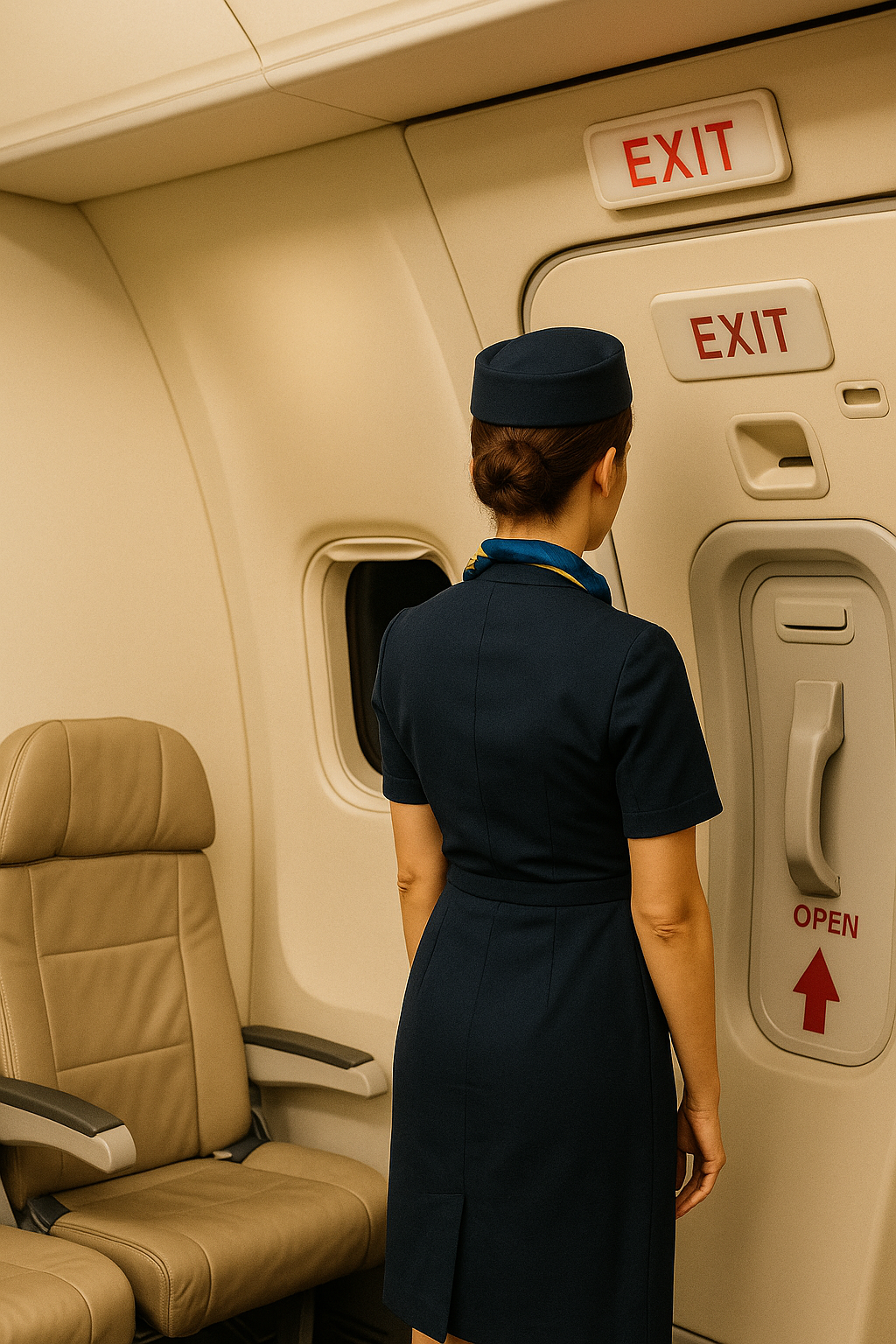
How to operate the exit
Which exit to use depending on the emergency type
How to guide and assist passengers quickly and safely
That’s why no one can become a certified cabin crew member without mastering this skill.
What Does Cabin Crew Learn About Emergency Exits?
At a professional cabin crew training institute in Delhi, emergency exit knowledge is taught in both theory and practical sessions. Here’s what the training includes:
1. Types of Emergency Exits
Cabin crew are taught to identify:
Main entry/exit doors
Over-wing exits
Tail exits
Cockpit escape hatches
Each type of exit works differently, and crew members are trained on how to open them in normal and emergency conditions.
2. Door Operation Procedures
Operating a plane’s door isn’t like opening a regular door. Some exit doors:
Use mechanical or hydraulic systems
Have slides that deploy automatically
May require disarming or arming based on flight phases
Cabin crew practice opening and closing doors in mock-up aircraft at aviation institutes in Delhi. It’s all part of developing the muscle memory needed during a real crisis.
3. Evacuation Commands
Cabin crew don’t just open the door and step aside. They must:
Shout clear, firm commands (e.g., "Jump and slide!", "Leave everything!")
Help passengers exit
Check for hazards outside (fire, water, debris) before opening
Ensure no one re-enters the aircraft
Such leadership can make the difference between survival and tragedy.

What Happens in an Emergency?
Imagine a plane has landed suddenly due to smoke in the cabin. Panic spreads. People are crying. Time is short.
In such moments, passengers turn to the cabin crew for help.
Here’s what a well-trained cabin crew member will do:
Stay calm and focused
Identify which exits are usable (some may be blocked or unsafe)
Open the appropriate door
Deploy the slide if needed
Direct passengers toward the safest exit
Ensure no one is left behind
That’s why anyone enrolling in an air hostess institute in Delhi is taught not only how to use the exits, but also how to stay emotionally strong under pressure.
Real-Life Examples of Emergency Exit Use
There are several real-life situations where cabin crew saved lives because they acted quickly and knew their exits well.
✈️ US Airways Flight 1549 (2009)
When the plane made an emergency landing in the Hudson River, the cabin crew guided all 150 passengers to safety using over-wing and rear exits.
✈️ Emirates Flight EK521 (2016)
After crash landing in Dubai, the crew evacuated over 300 passengers in just 90 seconds. One of the biggest factors in this success was proper use of emergency exits.
These real events are studied as case studies in many aviation courses and airhostess courses in Delhi.
Do Passengers Need to Know About Emergency Exits Too?
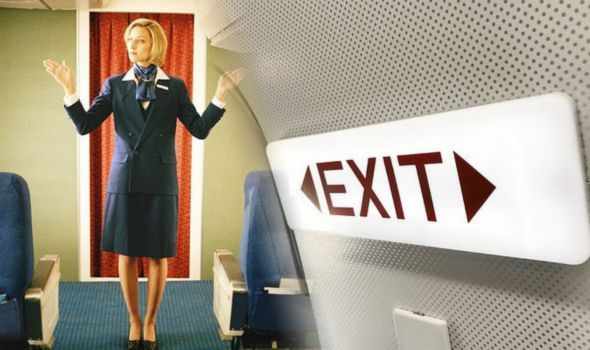
Yes, but not at the same level as crew. During the pre-flight safety briefing, passengers are asked to:
Identify their nearest emergency exit
Read the safety card
Follow instructions in case of an emergency
But ultimately, the cabin crew are the trained professionals who guide and manage the evacuation. That’s why their training is far more detailed.
Can You Become a Cabin Crew Without Emergency Exit Training?
Absolutely not.
All major airlines and aviation institutes in Delhi include emergency exit training as a core module in the cabin crew certification process. This is not optional.
In fact, government aviation authorities like DGCA (Directorate General of Civil Aviation) mandate it as a part of crew licensing requirements.

How Aviation Training Institutes Teach Emergency Exit Skills
If you're looking for the best cabin crew training institute in Delhi, check if they offer the following during emergency procedures training:
✅ Real Aircraft Mock-Ups
Institutes often build life-size cabin simulators that include working doors, slides, and over-wing exit replicas for hands-on practice.
✅ Evacuation Drills
Trainees participate in timed evacuation exercises, learning to work under stress while guiding dummy passengers.
✅ Water Landing Practice
Some aviation institutes in Delhi even offer wet drills, where students practice water evacuations using life jackets and rafts.
✅ First Aid & Fire Safety
Evacuations may involve injured passengers or fires, so knowledge of first aid and basic firefighting is essential.
How Long Does It Take to Master This?
The time depends on the program. In most airhostess courses in Delhi, emergency training takes several weeks, including:
Theory sessions
Repeated practical simulations
Assessments and written tests
The goal is to ensure that by the end of training, every student can handle emergencies confidently and correctly.
Is It Hard to Learn?
Not really — if you're passionate and focused.
Even people with no aviation background learn these skills successfully at institutes like the Delhi Air Hostess Institute. The instructors guide students step by step, building confidence over time.
What If You Panic in an Emergency?
This is a common worry for students.
That’s why institutes invest time in building emotional strength, through:
Mock emergency drills
Stress management training
Role-plays
Communication exercises
The best airhostess course in Delhi doesn't just teach what to do, but trains how to stay calm and make the right choices under pressure.
Summary: Why Every Cabin Crew Must Know Emergency Exit Protocol
To wrap it up in simple terms:
Emergencies can happen on any flight
Emergency exits are the only way out
Cabin crew must operate these exits correctly
Passengers depend on trained crew to survive
No airline will hire you without this essential skill
So, if you’re planning a career in aviation, make sure your chosen air hostess institute in Delhi provides complete and practical training on emergency exits.
Final Words
Being a cabin crew member is more than just a glamorous job. It’s a life-saving responsibility. That’s why institutes offering cabin crew and air hostess training in Delhi focus heavily on emergency preparedness, especially the use of emergency exits.
If you're serious about joining the skies, look for a program that offers:
Realistic emergency simulations
Expert trainers with airline experience
Practical evaluations
Emotional and physical readiness training
The best cabin crew training institute in Delhi will equip you with everything you need — not just to pass your exam, but to protect lives when it matters most.






Write a comment ...