
When you think of a cabin crew member or air hostess, you might imagine them greeting passengers with a smile, serving meals, or helping with luggage. But beyond hospitality, one of the most critical responsibilities of cabin crew is ensuring passenger safety—especially during emergencies.
A major part of that responsibility is being fully trained and aware of emergency exits. In fact, cabin crew must not only know about them—they must be experts in how to operate them under high-pressure situations. That’s why reputable institutes like the Cabin Crew Training Institute in Delhi place heavy emphasis on emergency procedures during training.
In this blog, we'll explain:
Why cabin crew must understand emergency exits
What training includes
How this knowledge saves lives
How you can learn this at a top institute like the Delhi Air Hostess Institute
✈️ Why Emergency Exit Knowledge Is Essential
When a flight takes off, the pilot is in charge of flying, but when it comes to passenger safety in the cabin, it’s all on the cabin crew.
Cabin crew must:
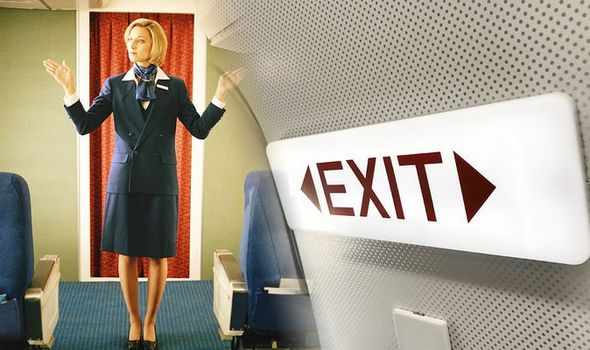
Know the exact location of all emergency exits
Understand the different types of doors and mechanisms
Be able to operate exits manually during electrical failure
Guide passengers to the nearest exit during evacuations
Use escape slides correctly
This is not optional—it’s part of international aviation safety regulations. In emergencies, every second matters. A calm, trained, and alert cabin crew member can evacuate an entire plane within 90 seconds, saving hundreds of lives.
That’s why the Cabin Crew Training Course includes extensive modules on emergency exits and evacuation procedures.

📚 What You Learn in Emergency Exit Training
Top institutes like the Cabin Crew Training Institute in Delhi or the Delhi Air Hostess Institute prepare students through both theory and practical sessions.
Here’s what’s typically covered:
✅ 1. Aircraft Layout
Understanding various aircraft models (Airbus, Boeing, etc.)
Location and type of all exits (forward, overwing, rear)
Mapping seat positions to exits
✅ 2. Exit Mechanism
Manual door operations
Slide deployment systems
Handling blocked exits or malfunctioning doors
✅ 3. Passenger Management
Giving quick and clear instructions during evacuations
Preventing panic and stampede
Assisting elderly or injured passengers
✅ 4. Fire and Smoke Response
Using exits in fire or smoke-filled conditions
Managing emergency equipment like fire extinguishers and oxygen masks
All of this is included in a standard Air Hostess Course or Cabin Crew Course in professional institutes.
🛫 Real-Life Situations Where Training Saves Lives
Many passengers believe emergencies are rare—and they are. But when they happen, trained cabin crew make all the difference.
Example 1: Engine Fire
In case of an engine fire on the runway, the captain might order an evacuation. Crew members need to:
Open emergency exits fast
Deploy slides
Get passengers out within 90 seconds
Example 2: Water Landing
In water landings, cabin crew:
Use life vests
Direct passengers to raft exits
Ensure slides are used as floats
The best Airline Cabin Crew Training programs use simulations to prepare trainees for these very scenarios.

🧑🏫 How Institutes Prepare You
At the Cabin Crew Training Institute in Delhi, students practice on mock aircraft cabins. These replicas have:
Realistic emergency exits
Slide deployment systems
Smoke simulation for fire drills
Evacuation drills with dummies
This hands-on training boosts confidence and helps students react fast under pressure.
The Delhi Air Hostess Institute also focuses on:
Communication during emergencies
Coordination with pilots
Crew teamwork in emergency exit procedures
It’s not just about knowing where the exit is. It’s about staying calm and executing the evacuation safely—even if the lights are off, the alarms are blaring, and people are panicking.
🧠 Why Passengers Rely on Trained Cabin Crew
Many passengers skip safety briefings and think emergency exits are “just for show.” But the truth is:
Not all passengers can find their way in panic
Most are unfamiliar with exit doors and slides
Children, elderly, and injured passengers need help
Cabin crew members are trained to:
Stay calm under pressure
Give clear commands
Identify and use the best exit in seconds
Make split-second decisions for hundreds of people
This is why Cabin Crew Training is not just about glamour—it’s about life-saving skills.
📍 Emergency Exit Positions and Responsibilities
In most airlines, each cabin crew member is assigned a specific station. That includes:
Crew RoleResponsibilityFront CrewHandle front exits, manage business classMiddle CrewOverwing exits, economy sectionRear CrewRear exits, last passenger checkIn-chargeCoordinates with pilot, oversees the team
During training at any Cabin Crew Course in Delhi, you learn how to rotate through each of these positions, preparing you for any cabin assignment.
👩🎓 How to Enroll in the Right Course
If you’re serious about a cabin crew career, you must pick a reputed training institute. Look for one that offers:
Emergency drills and exit training
Access to real aircraft simulators
Qualified instructors with airline experience
Placement support with leading airlines
Practical safety demonstrations
Courses at the Air Hostess Institute in Delhi or other top-rated schools cover everything you need to know about emergency exits and much more.
Here are some of the best options:
Air Hostess Training Institute In India – with centers offering international-standard training
Cabin Crew Training Institute in Delhi – known for hands-on emergency simulations
Cabin Crew Course in Delhi – designed for freshers, with safety at its core
Air Hostess Course – includes safety, hospitality, and emergency modules
💡 Final Thoughts: Safety Is Not an Option—It’s a Priority
So, should a cabin crew know about emergency exits?
Absolutely.
It’s not just part of the job—it’s one of the most critical responsibilities they hold. Knowing how to locate, unlock, and direct passengers through an emergency exit can be the difference between life and death.
If you’re dreaming of becoming a cabin crew member, focus not just on the uniform or travel perks, but also on the serious training you’ll need. Institutes like the Delhi Air Hostess Institute ensure you graduate ready to handle real emergencies.






Write a comment ...